

Living independently at home is something most people value deeply, but sometimes daily tasks become more challenging. Whether it’s keeping up with housework, managing shopping trips, or simply having someone to share a cup of tea with, many people find that a little practical support can make all the difference. Home help services provide exactly this kind of assistance, helping individuals maintain their independence and quality of life without the need for more intensive support arrangements. Understanding what home help involves and how it differs from other types of assistance is an important first step for anyone considering this option for themselves or a loved one.
What is Home Help?
Home help refers to practical assistance with everyday tasks that helps people maintain their independence and continue living comfortably in their own homes. This type of support focuses on the daily activities that keep a household running smoothly, from cleaning and cooking to shopping and companionship. Home help is fundamentally different from care services, which typically involve medical or personal care needs such as washing, dressing, or administering medication. Instead, home help addresses the practical challenges of daily life, making it an ideal solution for those who can manage their personal care independently but need a helping hand with household tasks and errands.
The scope of home help can vary considerably depending on individual needs and circumstances. Some people may need just an hour or two each week for specific tasks like grocery shopping or light housework, while others might benefit from more regular visits for companionship and general household support. According to guidance from the NHS, this type of support can be arranged privately and tailored to suit your specific requirements and budget. The flexibility of home help makes it accessible to a wide range of people, from older adults who want to remain in their family home to new parents who need extra support during those demanding early months.
Home help services typically include assistance with light housework such as vacuuming, dusting, and tidying, help with shopping and running errands, meal preparation and cooking support, companionship and conversation, pet care including dog walking and feeding, and accompaniment to appointments or social activities. These services are designed to complement what someone can already do themselves, filling in the gaps where tasks have become difficult, time consuming, or simply overwhelming. The key principle is maintaining independence rather than replacing it, ensuring that people continue to feel in control of their own lives and homes.
The Difference Between Home Help and Care Services
Understanding the distinction between home help and care services is crucial when deciding what type of support is most appropriate. Home help focuses on practical domestic tasks and companionship, things like cleaning, shopping, cooking simple meals, and providing friendly company. These are the everyday activities that keep a home running and help combat loneliness and isolation. Care services, on the other hand, involve more personal or medical assistance such as help with washing, dressing, using the toilet, administering medication, or providing nursing care for specific health conditions.
This distinction matters for several reasons, both practical and regulatory. Care services in the UK are regulated by the Care Quality Commission and providers must meet specific standards and hold particular qualifications. Those delivering personal care need enhanced training and checks because they’re working intimately with vulnerable individuals. Home help, whilst still requiring trustworthiness and reliability through DBS checks and references, doesn’t carry the same regulatory requirements because it doesn’t involve personal care tasks. This difference is also reflected in cost, with care services typically being more expensive due to the higher level of training and regulation involved.
Many people find themselves in a situation where they need home help but not care services. They can manage their own personal hygiene, take their own medication, and move around their home safely, but find that household tasks have become burdensome or that they miss having regular social contact. Government guidance on housing for older people emphasises the importance of appropriate support that enables independent living for as long as possible. Recognising which type of support you need helps ensure you get the right help without paying for services you don’t require or accepting limitations on your independence that aren’t necessary.
How Home Help Supports Independent Living
The ability to live independently in one’s own home is closely tied to dignity, autonomy, and overall wellbeing. Home help services play a vital role in making this possible for many people who might otherwise struggle to maintain their household or feel isolated and alone. By providing practical assistance with the tasks that have become difficult, home help removes barriers to independent living without taking away personal control or decision making. Someone receiving home help still decides how their home is run, what meals they eat, and how they spend their time, they simply have reliable support to make these things happen.
Research consistently shows that remaining in familiar surroundings contributes significantly to mental and emotional wellbeing, particularly for older adults. The security of knowing your own home, having your belongings around you, and maintaining your established routines provides comfort and stability that can’t easily be replicated elsewhere. Home help makes this possible by addressing the practical challenges that might otherwise force someone to consider moving into supported accommodation or relying heavily on family members. A few hours of assistance each week can mean the difference between managing independently and feeling overwhelmed by the demands of running a household.
The support provided through home help services extends beyond the practical tasks themselves. Regular visits from a friendly, familiar face combat loneliness and social isolation, both of which are significant issues for many people living alone. Having someone to share a cup of tea and a chat with, to discuss the week’s news, or simply to know that someone will be calling by on Tuesday afternoon, provides structure and social connection that many people greatly value. This companionship element of home help often proves just as important as the practical assistance, contributing to better mental health and a greater sense of connection to the wider community.
Home help also provides peace of mind for family members who may live at a distance or have busy lives that make it difficult to provide regular support themselves. Knowing that their loved one has reliable help with shopping, that their home is being kept clean and tidy, and that they have regular social contact helps reduce worry and guilt. Many adult children find themselves trying to balance caring responsibilities with work and their own family commitments, and home help services can ease this pressure considerably. Independent Age highlights how various forms of practical help at home enable people to maintain their independence whilst also giving families reassurance.
Types of Home Help Services Available
Home help encompasses a wide range of practical services, each designed to address specific aspects of daily life that may have become challenging. Understanding what’s available helps people identify exactly what support would be most beneficial for their circumstances. The beauty of home help is its flexibility, you can choose just the services you need, whether that’s one specific task or a combination of several different types of assistance throughout the week.
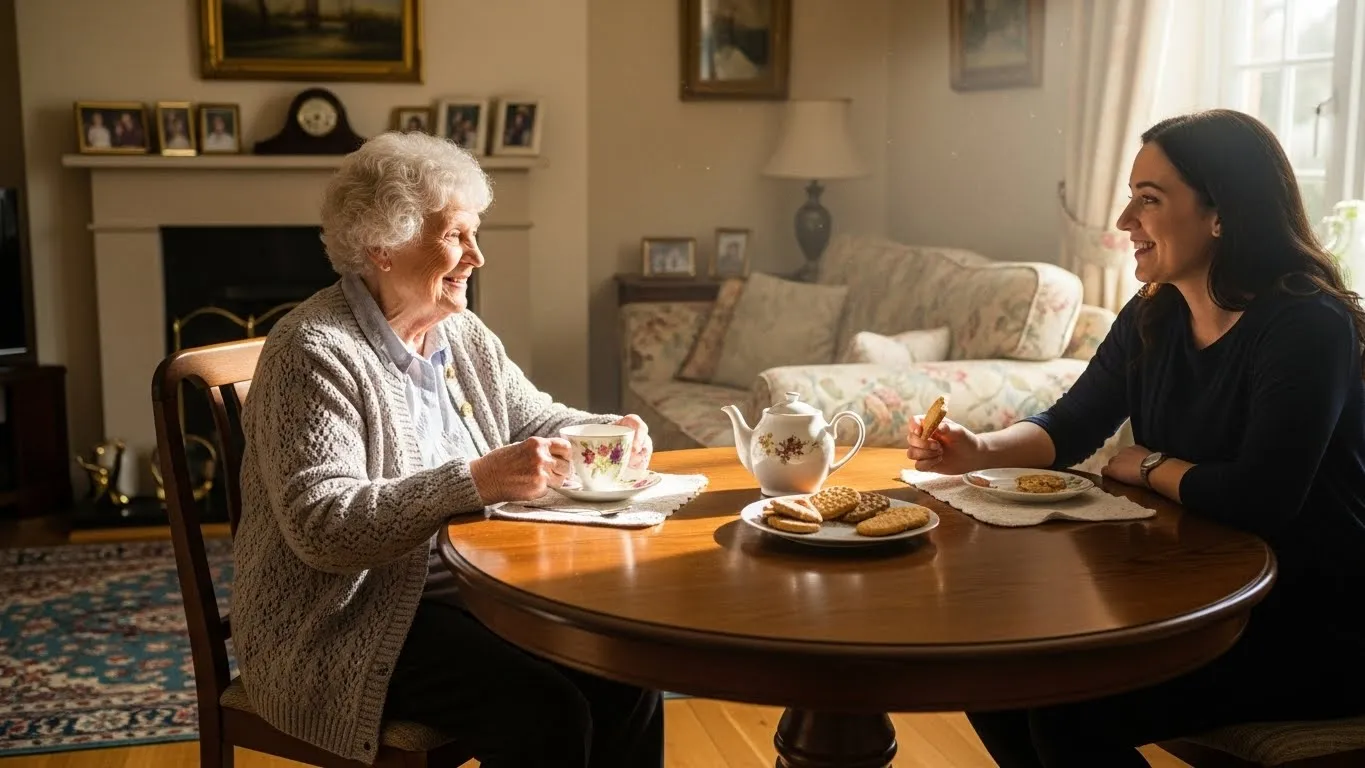
Companionship and social support represent a crucial element of home help. Loneliness and social isolation affect many people, particularly those living alone or with limited mobility. Regular visits from a friendly face who’s genuinely interested in conversation and company can transform someone’s week. This isn’t about rushing in and out to complete tasks, it’s about taking time to sit down together, share stories, discuss interests, or simply enjoy quiet company. Companionship visits might involve sharing a cup of tea, looking through old photographs, working on a puzzle together, or watching a favourite television programme. The relationship that develops between someone and their regular home helper often becomes a genuine friendship, something that’s valued far beyond the practical tasks that might also be accomplished during the visit.
Shopping and running errands is one of the most commonly requested forms of home help. Whether it’s the physical difficulty of carrying heavy shopping bags, challenges using public transport, or simply finding supermarkets overwhelming and tiring, many people benefit from assistance with this essential task. A home helper can accompany someone on shopping trips, helping to reach items from high shelves and carry bags, or they can do the shopping independently using a detailed list. Beyond grocery shopping, help with errands extends to collecting prescriptions from the pharmacy, posting letters and parcels, or picking up items from local shops. These seemingly simple tasks keep life running smoothly and ensure people have what they need without stress or struggle.
Light housework and domestic tasks help maintain a comfortable, clean living environment without the physical strain that cleaning can involve. This includes vacuuming, dusting, tidying, doing the washing up, changing bed linens, and general household maintenance. For people who find bending, reaching, or prolonged standing difficult, these tasks can become genuinely challenging despite their importance for maintaining a pleasant home. Regular help with housework prevents the situation from becoming overwhelming whilst allowing the individual to focus their energy on the activities they enjoy and can manage independently. The satisfaction of living in a clean, organised space contributes significantly to wellbeing and self esteem.
Meal preparation assistance ensures people eat well without the effort of cooking becoming burdensome. This might involve preparing meals from scratch using ingredients from the fridge, batch cooking several meals to freeze for later, or simply helping with meal planning and preparation tasks like chopping vegetables. According to Age UK’s guidance on homecare, good nutrition is vital for maintaining health and independence, but cooking can become difficult for various reasons including reduced energy, mobility issues, or simply losing motivation when cooking for one. Having help with meal preparation ensures proper nutrition whilst taking away the stress and physical effort involved.
Pet care support helps people maintain the companionship and joy that pets bring without worrying about meeting their needs. For elderly dog owners in particular, daily walks can become difficult, but the bond with a beloved pet remains strong. Home help can include walking dogs, feeding and providing fresh water for any pets, taking animals to vet appointments, administering medication if needed, and simply spending time giving pets attention and play. The emotional support that pets provide is well documented, and help with pet care enables people to continue enjoying their animal companions even when physical limitations make some aspects of pet ownership challenging.
Accompaniment to appointments provides practical support and reassurance when attending medical appointments, social activities, or other outings. Having someone to travel with, help navigate busy hospital corridors, take notes during appointments, or simply provide moral support can make these occasions far less daunting. This service bridges the gap between managing completely independently and needing full care support, recognising that whilst someone can function independently in most situations, certain circumstances benefit from having a helping hand and friendly face alongside them.
Who Benefits From Home Help?
Home help services support a diverse range of people, each with their own specific circumstances and needs. Whilst older adults represent a significant proportion of those using home help, they’re far from the only people who benefit from this type of practical support. Understanding the breadth of people who find home help valuable helps dispel the misconception that it’s only for a specific demographic, recognising instead that at various points in life, most people could benefit from some extra practical support.
Older adults living alone often find home help invaluable for maintaining their independence and quality of life. As we age, tasks that were once straightforward can become more tiring, time consuming, or physically challenging. Rather than struggling with increasingly difficult household tasks or relying entirely on family members who have their own commitments, home help provides reliable, regular support that enables older people to continue living in their own homes with dignity and autonomy. The social element of having regular visits is particularly important for those who might otherwise have limited daily contact with others, helping combat the loneliness that can significantly impact wellbeing.
People recovering from illness or surgery frequently need temporary home help during their recuperation period. When someone returns home from hospital or is recovering from a health setback, they may be physically weak, have restricted movement, or simply lack the energy to manage their usual household tasks. Home help during this recovery phase ensures they can rest and focus on getting better without worrying about whether there’s food in the fridge or if the house is becoming untidy. This temporary support bridges the gap between hospital discharge and full recovery, making the transition home smoother and reducing the risk of readmission due to struggling to cope independently.
New mothers often find themselves overwhelmed by the demands of caring for a baby whilst also trying to maintain a household. The postnatal period is physically and emotionally demanding, and having practical help with housework, meal preparation, or simply having adult company during long days can be tremendously supportive. Home help for new mums isn’t about childcare, it’s about providing the practical household support that allows them to focus on their baby and their own recovery without the additional stress of trying to keep up with cleaning, shopping, and cooking. This type of support recognises that independence doesn’t mean doing everything alone, it means having help where you need it so you can concentrate on what matters most.
Visually impaired individuals may manage their personal care entirely independently but find certain household tasks or errands particularly challenging or time consuming without sight. Home help can assist with tasks that rely heavily on vision, such as detailed cleaning, organising and sorting, reading labels while shopping, or safely navigating busy shops and streets. This support enables visually impaired people to maintain independent living whilst having assistance with the specific tasks where sight limitations create genuine practical difficulties. The help provided is tailored to complement their capabilities, recognising what they do independently whilst providing practical support where it’s most beneficial.
Families seeking help for loved ones represent another significant group who arrange home help services. Adult children often worry about elderly parents managing alone, particularly if they live at a distance or have demanding work schedules that limit how often they can visit. Arranging home help provides reassurance that someone is checking in regularly, that practical tasks are being managed, and that their loved one has company and conversation. This support benefits both the person receiving help and their family members, easing worry whilst maintaining the older person’s independence and autonomy in their own home.
The Personal Touch: Why Independent Home Help Matters
The nature of the relationship between someone and their home helper significantly impacts the experience and effectiveness of the support provided. Independent home help, where the same trusted individual visits regularly, offers distinct advantages over agency based services where different workers may be sent each time. This consistency and personal connection transforms home help from a transactional service into a genuine supportive relationship that many people come to value enormously.
Having one familiar face means building a relationship based on understanding, trust, and genuine familiarity with someone’s preferences, routines, and personality. When the same person visits week after week, they learn exactly how you like things done, they remember your stories and conversations from previous visits, and they notice changes in your wellbeing or circumstances that might need attention. This level of personalised, attentive support simply isn’t possible when different workers arrive each time, each needing to be briefed on your requirements and preferences. The continuity of having someone who knows you, your home, and your routines creates a comfortable, relaxed dynamic that feels more like a friend helping out than a formal service arrangement.
Independent home helpers can offer flexibility that larger agencies often cannot match. Without the bureaucratic structures and rigid scheduling of big organisations, independent helpers can adapt to changing needs, accommodate occasional schedule adjustments, and respond to individual preferences without needing approval through management chains. This flexibility extends to how tasks are approached and prioritised, with the helper and the person receiving support working together to decide what’s most important each visit rather than following prescribed task lists. Meeting Suzi, for example, means understanding exactly who will be coming to your home and building that personal relationship from the start.
The absence of uniforms and corporate branding helps maintain a more natural, personal atmosphere. When someone arrives at your door dressed casually and naturally rather than in a uniform, it reinforces that this is about friendly, practical help rather than a formal care arrangement. Many people feel more comfortable and less self conscious about having help when it doesn’t come with the trappings of a formal care service. This discretion matters to those who value their privacy and prefer not to advertise that they’re receiving support, whether to neighbours or simply in their own perception of maintaining independence.
How to Arrange Home Help in Coventry
Finding the right home help involves identifying what support would be most beneficial and then locating a reliable, trustworthy helper who’s a good match for your needs and personality. The process needn’t be complicated, but taking time to think through exactly what would help most and what qualities you’re looking for in a helper ensures you find an arrangement that works well for everyone involved.
Start by making a list of tasks and areas where help would be most valuable. Consider both practical household tasks and social needs such as companionship. Be realistic about what you can manage independently and where assistance would genuinely improve your daily life and wellbeing. Some people need comprehensive help across multiple areas, whilst others benefit most from support with one or two specific tasks. There’s no standard amount of help that’s right for everyone, it depends entirely on individual circumstances, abilities, and preferences. NI Direct’s guidance on staying independent at home emphasises the importance of identifying your specific needs when arranging support.
When looking for a home helper, personal recommendations from friends, neighbours, or family members can be invaluable. Someone who’s already providing good service to people you know is more likely to be reliable and trustworthy. Local community noticeboards, both physical and online, often feature advertisements from independent home helpers, as do local newspapers and community websites. Take time to speak with potential helpers before making any commitment, discussing exactly what help you need, how often, and what their experience and approach is. This initial conversation helps establish whether you’re likely to work well together and feel comfortable with the arrangement.
Important questions to ask include their experience with similar types of help, whether they’re DBS checked and insured, their availability and flexibility, their hourly rate and how payment is handled, whether they have references you can contact, and how they handle situations where they can’t make a scheduled visit. Transparency about practical arrangements prevents misunderstandings and ensures both parties are clear on expectations from the start. Don’t hesitate to ask for references and actually contact them, hearing from others about their experience provides valuable reassurance about reliability and trustworthiness.
For those in Coventry and surrounding areas, local independent home helpers offer personalised support tailored to individual needs. Taking time to find someone who’s the right match means establishing a supportive, comfortable arrangement that genuinely enhances independence and quality of life. If you’re interested in learning more about how home help might work for you or someone you care about, getting in touch for an informal conversation is a helpful first step in exploring your options.
FAQs
How much does home help typically cost?
Home help costs vary depending on location, the specific services required, and how many hours of help you need each week. Independent home helpers typically charge an hourly rate, with prices starting from around £18 per hour in many areas. This is often more affordable than agency services, which may charge £25 to £30 per hour or more. The total cost depends on your individual needs, someone requiring just two hours of help weekly will obviously pay less than someone needing daily visits. When budgeting for home help, remember to factor in any travel expenses if applicable, though many helpers include local travel within their hourly rate. It’s always worth discussing costs openly during initial conversations to ensure the arrangement is financially sustainable for you, and asking whether there’s flexibility for occasional adjustments to hours based on changing needs or circumstances throughout the year.
What’s the difference between hiring an independent home helper and using an agency?
Independent home helpers work directly for themselves rather than through an agency, which creates several key differences. With an independent helper, you’ll typically have the same person visiting each time, allowing you to build a relationship and personal understanding. They often offer more flexibility in scheduling and what tasks they can help with, and their hourly rates are usually lower because you’re not paying agency overheads and profit margins. Agencies, conversely, may send different workers each time, have more rigid scheduling and task specifications, and charge higher rates. However, agencies handle all employment aspects like insurance and cover if a worker is unavailable, whereas with an independent helper you’ll need to arrange alternative cover if they’re ill or on holiday. Many people find the consistency, personal touch, and affordability of independent help makes it their preferred option for non care related household support.
Do I need a contract or long term commitment for home help?
Unlike many agency arrangements that require contracts or minimum commitment periods, independent home helpers typically work on more flexible arrangements. Many operate on an informal agreement where you arrange regular visits weekly or fortnightly based on your needs, with the understanding that either party can adjust or end the arrangement with reasonable notice. This flexibility means you’re not locked into long term commitments if your circumstances change or if the arrangement isn’t working as hoped. Some people prefer a simple written agreement outlining basic terms like hourly rate, typical tasks, and notice periods for changes or cancellation, which provides clarity for both parties without creating rigid constraints. The key is finding an arrangement that works for your situation, whether that’s a very informal understanding or something slightly more structured. Most independent helpers understand that needs fluctuate and appreciate open communication about what’s working well and what might need adjusting.
How do I know if someone is trustworthy to have in my home?
Trust is absolutely fundamental when inviting someone into your home to provide help, and there are several ways to establish trustworthiness. First, any reputable home helper should have a current DBS check, which screens for criminal records and is standard for anyone working with vulnerable people or in people’s homes. Ask to see their DBS certificate and don’t be embarrassed to request this, any genuine professional will expect and welcome the question. References from other people they’ve helped provide valuable insight into their reliability, approach, and character, so ask for at least two references and actually contact them to discuss their experience. Many people find that their initial conversation and interaction with a potential helper gives them a strong sense of whether they feel comfortable, trust your instincts about whether someone seems genuine, respectful, and someone you could work with comfortably. Starting with shorter, less frequent visits while you build confidence in the arrangement is perfectly reasonable, gradually increasing hours once you’re satisfied with the reliability and approach.
Can home help assist with medical or personal care needs?
Home help specifically refers to practical assistance with household tasks, errands, meal preparation, companionship, and similar daily activities rather than medical or personal care. Home helpers are not qualified or insured to provide personal care such as help with washing, dressing, toileting, or administering medication, nor can they provide medical care or nursing services. If you need this type of support, you would need to arrange care services through a regulated care provider whose staff have appropriate qualifications and training. However, many people find they only need help with practical tasks and can manage their personal care independently, making home help the ideal solution. If your needs change over time and personal care becomes necessary, you would need to arrange this separately through appropriate channels. It’s important to be clear about the distinction from the outset so everyone understands what support will and won’t be provided, ensuring you get the right type of help for your specific circumstances.
Conclusion
Home help provides vital practical support that enables many people to maintain their independence, continue living comfortably in their own homes, and enjoy better quality of life. By focusing on everyday tasks like housework, shopping, meal preparation, and companionship rather than personal or medical care, home help fills an important gap for those who can manage independently but benefit from a helping hand with household responsibilities. The flexibility, personal touch, and affordability of independent home help make it an accessible option for older adults, people recovering from illness, new parents, visually impaired individuals, and anyone else who would benefit from practical support. Taking the time to identify your specific needs and find a trustworthy, reliable helper creates an arrangement that genuinely enhances daily life whilst respecting autonomy and independence. For many people, home help makes the crucial difference between struggling to cope and thriving in their own home with confidence and dignity.
More Services
For more information about home help services at The Homemade Helper, check them out below: