
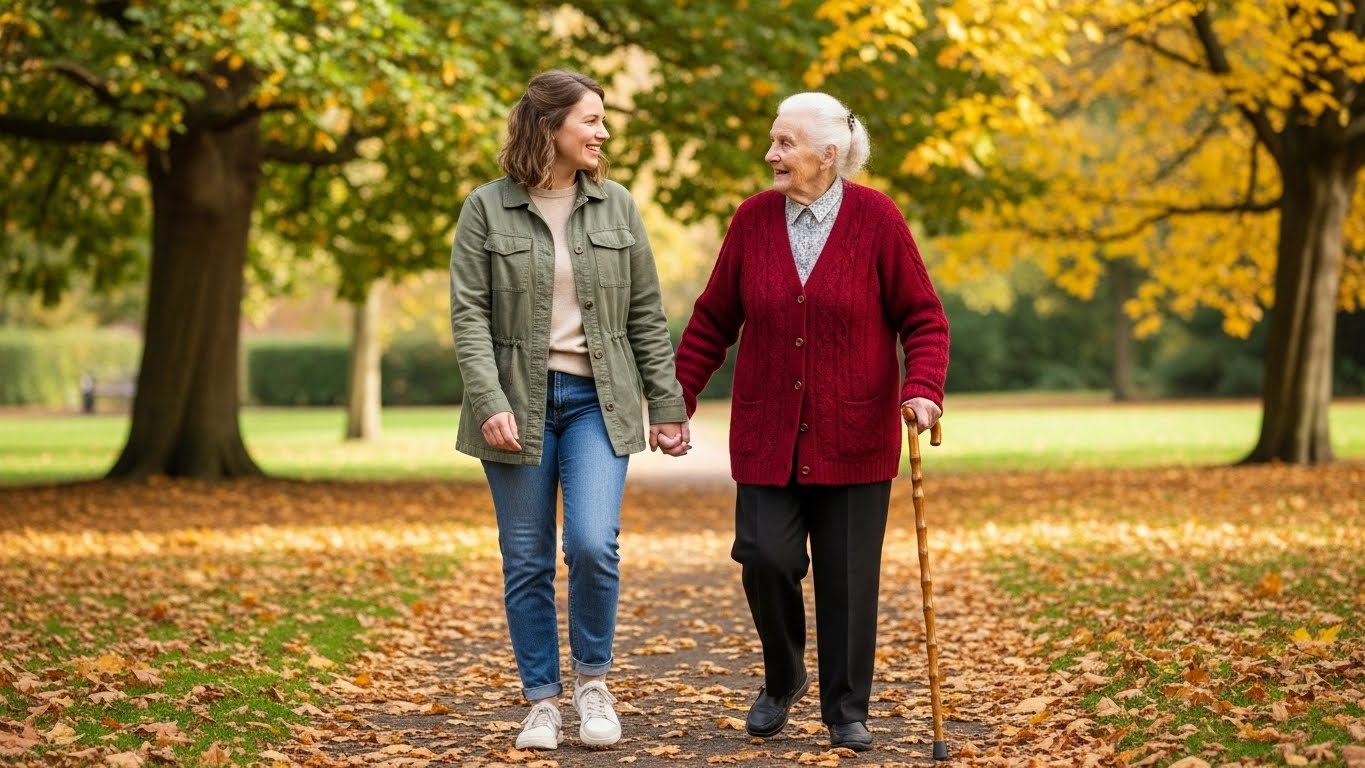
Living alone in later life is an increasingly common experience, with millions of older adults across the UK spending much of their time without regular face-to-face contact with others. Whilst some people thrive in solitude and genuinely enjoy their own company, many find that living alone brings unexpected challenges, particularly when it comes to maintaining social connections and feeling part of a community. The absence of daily interaction with others can gradually affect both mental and physical wellbeing in ways that aren’t always immediately obvious. Companionship, whether from family, friends, neighbours, or through organised support services, plays a vital role in helping people who live alone maintain their quality of life, health, and sense of purpose. Understanding the profound benefits that regular human connection brings can help both older adults themselves and their families recognise when companionship support might be valuable.
Understanding Loneliness and Social Isolation in Older Adults
Loneliness and social isolation are distinct experiences, though they often occur together and both significantly impact wellbeing. Social isolation refers to the objective state of having few social relationships or infrequent contact with others, it’s measurable in terms of how often someone sees or speaks with people and the size of their social network. Loneliness, conversely, is a subjective feeling, the painful sense that your social relationships don’t meet your needs or that meaningful connection is missing from your life. Someone can be socially isolated without feeling lonely if they’re content with limited contact, whilst another person might feel profoundly lonely despite being surrounded by people if those relationships lack depth or emotional satisfaction. According to the NHS, hundreds of thousands of elderly people in the UK are lonely and cut off from society, with more than two million people in England over the age of seventy-five living alone, and more than a million older people reporting they go over a month without speaking to a friend, neighbour, or family member.
Several factors make older adults particularly vulnerable to both loneliness and social isolation. Retirement removes the daily structure and social interaction that work provides, whilst the death of spouses, partners, and long-term friends shrinks social networks at a time when forming new relationships becomes more challenging. Physical health problems or mobility limitations can make it difficult to leave the home, attend social activities, or maintain previous hobbies and interests. Hearing loss, which affects many older people, makes conversation exhausting and frustrating, leading some to withdraw from social situations rather than struggle to follow discussions. Geographic distance from family members, common in modern society where adult children often live far from elderly parents, means that regular face-to-face contact becomes difficult despite good intentions. The cumulative effect of these factors can leave someone who was once socially active finding themselves increasingly isolated without quite realising how it happened.
The distinction between loneliness and isolation matters because addressing them requires different approaches. Someone who is socially isolated but content might benefit most from practical support that helps them maintain their independence rather than increased social contact they don’t particularly want. Someone experiencing loneliness despite regular contact needs help building more meaningful relationships rather than simply more interactions. Research from the World Health Organization indicates that around eleven point eight percent of older people experience loneliness, and that social isolation and loneliness have serious impacts on physical and mental health, quality of life, and longevity. Understanding what someone actually needs, whether that’s more frequent contact, deeper relationships, or simply reliable practical support that enables them to maintain their existing social connections, is essential for providing help that genuinely improves their situation.
Physical Health Benefits of Regular Companionship
The connection between social relationships and physical health is far stronger than many people realise, with research consistently demonstrating that regular companionship and social connection significantly affect bodily health in measurable ways. Studies documented by the CDC show that social isolation and loneliness increase a person’s risk for heart disease and stroke, type two diabetes, depression and anxiety, and earlier death. The mechanisms through which social connection influences physical health are complex and interrelated, involving stress response systems, immune function, cardiovascular health, and health behaviours. When someone lacks regular positive social contact, their body remains in a heightened state of stress, with elevated levels of stress hormones that over time damage blood vessels, increase blood pressure, and promote inflammation throughout the body.
Regular companionship helps moderate the body’s stress response in powerful ways. Having someone to talk to about worries and concerns, sharing a laugh over a cup of tea, or simply knowing that someone will be visiting on Tuesday afternoon provides psychological comfort that translates into reduced physiological stress. This isn’t merely about feeling better emotionally, although that’s certainly important, it’s about measurable changes in stress hormones, blood pressure, and immune system function that occur when people have reliable social support. Chronic loneliness keeps the body’s stress systems activated in ways that accelerate aging and increase vulnerability to illness, whilst regular positive social interaction helps regulate these systems back toward healthy baseline levels.
The practical aspects of companionship also contribute significantly to physical health outcomes. When someone visits regularly, they’re likely to notice changes in health or wellbeing that the person living alone might miss or dismiss. A companion might observe that someone seems more breathless than usual, that they’re not eating properly, or that their home has become uncharacteristically untidy, all potential indicators of declining health that warrant attention. This informal health monitoring often catches problems early when they’re easier to address, potentially preventing emergency situations or hospital admissions. Additionally, having regular social contact provides motivation for self-care activities that people living alone might neglect, maintaining personal grooming, preparing proper meals rather than just snacking, and keeping the home comfortable and clean all become easier when someone knows a friend will be visiting.
Companionship also encourages physical activity and engagement with the outside world in ways that benefit overall health. When someone has a walking companion, they’re far more likely to actually go for that walk rather than deciding it’s too much effort or too cold. Having someone to accompany them to appointments means they’re more likely to attend medical check-ups rather than cancelling because getting there seems overwhelming. Social activities, even simple ones like attending a coffee morning or joining a local group, require getting dressed, leaving the house, and moving around, all contributing to physical health maintenance. Home help services that include companionship alongside practical support recognise this connection, understanding that social interaction and practical assistance work together to support overall wellbeing and independent living.
Mental and Emotional Wellbeing Through Human Connection
The impact of regular companionship on mental and emotional health is profound and multifaceted, touching every aspect of psychological wellbeing from mood and cognitive function to sense of purpose and emotional resilience. Human beings are fundamentally social creatures, our brains and emotional systems evolved in the context of close-knit communities, and prolonged isolation conflicts with our basic psychological needs in ways that create genuine suffering. Loneliness isn’t simply feeling sad about being alone, it’s an emotional warning signal, like hunger or thirst, telling us that an essential need isn’t being met. When that signal persists chronically without resolution, it affects mental health as seriously as physical pain affects physical health.
Depression and anxiety are significantly more common among older adults experiencing loneliness and social isolation. Without regular positive social contact, negative thought patterns can spiral unchecked, worries magnify without the perspective that conversation with others provides, and small problems feel overwhelming when there’s nobody to discuss them with. Having someone to talk to breaks these negative cycles, providing emotional release, different perspectives, and the simple comfort of shared experience. A companion who visits regularly offers something precious, a witness to your life who cares how you’re doing, who remembers what you talked about last week, who notices when something’s troubling you. This feeling of mattering to someone, of being seen and remembered, is fundamental to mental wellbeing and becomes especially important when other relationships have been lost through bereavement or distance.
Cognitive health also benefits substantially from regular social interaction and mental stimulation that companionship provides. Conversation exercises the brain, requiring memory recall, language processing, attention, and the complex social cognition involved in understanding others’ perspectives and responding appropriately. Discussing current events, reminiscing about the past, sharing opinions about a television programme, or learning about a companion’s experiences all keep the mind active and engaged in ways that solitary activities often don’t replicate. Research has linked social isolation with increased risk of cognitive decline and dementia, whilst maintaining active social relationships appears to offer some protective effect for brain health. The mental stimulation of regular conversation, combined with the emotional engagement and sense of purpose that relationships provide, contributes to maintaining cognitive function and may help slow age-related mental decline.
The emotional security that comes from knowing someone cares and will be checking in regularly cannot be overstated. For someone living alone, particularly someone with health concerns or limited mobility, the knowledge that a friend or companion will be visiting provides enormous reassurance. If something happens, if they fall or become unwell, someone will notice their absence and raise the alarm. This isn’t about constant monitoring or loss of independence, it’s about the reasonable peace of mind that comes from having a safety net of human connection. Age UK emphasises that loneliness can significantly impact wellbeing, especially as we get older, and that various forms of support including befriending services and companionship can help people feel less isolated and more connected to their communities.
Companionship and Maintaining Independence
One of the most important but least understood aspects of companionship for older adults is how it actually supports and extends independence rather than diminishing it. There’s often concern that accepting help or companionship represents a loss of independence, an admission that someone can no longer manage alone. In reality, the opposite is frequently true, appropriate companionship and support enable people to continue living independently in their own homes far longer than they could otherwise manage, maintaining autonomy and control over their lives in ways that wouldn’t be possible if they tried to do absolutely everything themselves until reaching a crisis point.
Practical companionship provides the specific support someone needs whilst leaving them in control of everything else. A companion might help with shopping, making it possible for someone with mobility challenges to continue choosing their own groceries and preparing their own meals rather than relying on ready meals or others to cook for them. They might accompany someone to appointments, providing transport and moral support whilst the person themselves remains fully in charge of their own healthcare decisions and conversations with medical professionals. This selective support, help with the specific tasks that have become difficult whilst maintaining full independence in everything else, preserves dignity and autonomy whilst removing the barriers that might otherwise force a move to more supervised living arrangements.
The social and emotional support that companionship provides also strengthens the psychological resources needed for independent living. Managing a household alone, dealing with bills and paperwork, making decisions about health and finances, maintaining social connections, all of these require mental energy and emotional resilience that can become depleted when someone feels isolated and unsupported. Regular companionship replenishes these psychological resources, conversation and laughter reduce stress, having someone to discuss decisions with provides perspective and confidence, knowing that support is available if needed reduces anxiety that can be paralysing. Someone who feels socially connected and emotionally supported is better equipped to handle the challenges of independent living than someone facing everything alone.
Companionship also helps maintain the skills and habits that support independence. When someone lives entirely alone with minimal social contact, certain abilities can decline simply through lack of use, conversation skills, managing social situations, even basic things like getting dressed nicely or maintaining regular routines can slip when there’s nobody else around. Regular visits from a companion maintain these social skills and habits, providing reason and motivation to maintain personal standards, keep the home presentable, maintain regular sleep and meal times. These might seem like small things, but they’re actually the foundations of successful independent living, and companionship helps ensure they remain in place. Exploring home help services in Coventry reveals how companionship fits naturally alongside practical support to create comprehensive assistance that genuinely enables continued independence.
Different Types of Companionship Support Available
Companionship support comes in many different forms, each suited to different needs, preferences, and circumstances. Understanding the options available helps people find the type of companionship that will work best for their particular situation, whether they need intensive daily contact or simply occasional social connection to supplement existing relationships. The key is matching the type and frequency of companionship to what someone actually needs and wants rather than imposing a one-size-fits-all solution.
Informal companionship from family, friends, and neighbours forms the foundation of social support for many older adults. Regular phone calls from children or grandchildren, visits from friends for coffee, friendly chats with neighbours over the garden fence, participation in community groups or religious organisations, all contribute to maintaining social connection and reducing isolation. For many people, these informal relationships provide sufficient companionship and social support. However, geographic distance, family members’ work commitments, and the gradual loss of friends through death or relocation can leave gaps in informal support networks that need filling through more structured companionship arrangements.
Volunteer befriending services, such as those offered by Age UK, match volunteers with older people for regular visits or phone calls. These services are typically free and provide consistent, reliable social contact from someone who’s chosen to volunteer specifically because they enjoy spending time with older people. Befriending relationships often develop into genuine friendships over time, with volunteers and the people they visit building rapport and looking forward to their regular meetings. Some befriending services are telephone-based, particularly valuable for people with severe mobility limitations or those living in remote areas, whilst others involve face-to-face visits in the person’s home or accompaniment to social activities or appointments. The flexibility and reliability of organised befriending services make them particularly valuable for people whose informal support networks have become insufficient.
Professional companionship through home help services provides another option, particularly suitable for people who also need practical assistance or who want the security of a paid service arrangement. Unlike volunteer befriending where availability can sometimes be unpredictable, professional companionship services operate on agreed schedules with backup arrangements if the regular helper is unavailable. This reliability is important for people who’ve structured their week around particular visits or who depend on accompaniment for specific activities like shopping or medical appointments. Professional services also typically include background checks and insurance, providing additional peace of mind. The companionship aspect of professional home help services complements practical tasks, with helpers spending time chatting over tea, discussing the person’s interests and concerns, and providing that human connection that’s so valuable for wellbeing alongside the practical assistance with household tasks or errands.
Technology-enabled companionship has also become increasingly important, particularly since the COVID-19 pandemic highlighted both the value and the vulnerability of social connections. Video calls through platforms like FaceTime, Skype, or Zoom allow regular face-to-face contact with distant family members, maintaining relationships that would otherwise be limited to phone calls or infrequent visits. Online groups and forums focused on particular interests allow older adults to connect with others who share their hobbies or experiences, providing social interaction that doesn’t depend on physical proximity or mobility. Whilst technology cannot replace in-person human contact, it can supplement it effectively and provides valuable connection for people who find leaving their home difficult or who live far from friends and family. The combination of different types of companionship, regular visits from a helper or volunteer, phone calls from family, participation in local activities when possible, technology-mediated contact with distant relatives, creates a robust social support network that sustains wellbeing.
How Family Members Can Support Elderly Relatives Living Alone
Family members often worry about elderly parents or relatives living alone but feel uncertain about how best to provide support, especially when distance or their own life commitments limit how often they can visit. Understanding the most effective ways to maintain connection and provide meaningful companionship helps families support their loved ones’ wellbeing without overwhelming themselves or inadvertently undermining the older person’s independence and autonomy. The goal is creating sustainable support that works for everyone involved, addressing loneliness and providing reassurance whilst respecting the older person’s right to live their life as they choose.
Regular, predictable contact matters more than occasional grand gestures. A brief phone call every Tuesday evening that happens reliably week after week provides far more emotional security and connection than irregular calls whenever you remember or have time. Establishing a routine, whether it’s a daily five-minute check-in call, a weekly video chat, or a monthly visit, creates something to look forward to and ensures contact happens rather than being perpetually postponed due to busy schedules. These regular touchpoints allow you to notice changes in mood, health, or circumstances that might require additional attention, providing informal monitoring that can identify problems early. The reliability of scheduled contact also prevents the older person from worrying that they’re being a burden if they initiate contact, knowing that you’ll be calling at the agreed time removes the question of whether they should disturb you.
When visiting or talking with elderly relatives, focus on quality conversation rather than just practical topics. Whilst it’s natural to check on health, household matters, and whether they need anything, these practical discussions shouldn’t dominate your time together. Ask about their interests, discuss current events or television programmes you both follow, encourage them to share memories and stories from their past, listen with genuine interest to their opinions and observations. This type of engaged conversation exercises cognitive abilities, provides emotional satisfaction, and affirms that you value them as a person not just someone to worry about. Sharing aspects of your own life, telling them about your work, your children, your concerns and joys, includes them in your world and gives them vicarious participation in activities and experiences they may no longer have direct access to.
Recognising when additional companionship support is needed represents wise care rather than a failure on your part. No family member, no matter how loving and dedicated, can single-handedly provide all the social contact and support an isolated elderly person might need, especially when balancing work, their own family commitments, and possibly other caring responsibilities. Arranging professional companionship support or volunteer befriending doesn’t replace family involvement, it complements it by ensuring your relative has regular social contact even when you cannot visit. This actually strengthens rather than weakens your relationship by removing the pressure and potential resentment that can build when someone tries to be everything to an elderly relative, allowing your time together to be more enjoyable and less dominated by practical concerns or guilt about not visiting more often.
Practical ways family members can facilitate companionship include helping set up technology for video calls or online groups, researching local social activities or clubs that might interest their relative, arranging transport to enable participation in community activities, connecting them with telephone befriending services, and looking into local companionship support in areas like Coventry. Sometimes the barrier to increased social connection isn’t lack of desire but lack of knowledge about what’s available or practical difficulties in accessing services. Family members who research options, help with applications or initial arrangements, and provide transport or accompaniment for first visits to new groups or services can significantly expand their elderly relative’s social opportunities without needing to provide all the companionship themselves.
Taking the First Step Toward Companionship Support
Recognising that companionship support might be valuable and actually arranging it are two different things, and the step from consideration to action can feel surprisingly difficult. There may be resistance from the older person themselves who feels accepting help represents failure or loss of independence, practical questions about cost and how to find reliable support, or simply uncertainty about where to begin. Understanding the process and addressing common concerns helps make taking that first step more manageable and increases the likelihood that companionship support will be successfully established.
Starting with an honest conversation about loneliness and social connection provides the foundation for arranging appropriate support. Many older people are reluctant to admit they’re lonely, viewing it as shameful or not wanting to burden others with their feelings. Framing the conversation around general wellbeing and quality of life rather than problems or deficits can make it easier. Asking questions like “Would you enjoy having someone to share a cup of tea with regularly?” or “Would it be nice to have company for your shopping trip?” focuses on positive additions to life rather than addressing loneliness directly. For some people, discussing how companionship might help with practical tasks, making shopping easier or providing transport to appointments, provides a more comfortable entry point than discussing emotional needs. Once companionship is established for practical reasons, the social and emotional benefits naturally follow.
Understanding the options available and choosing the right type of support requires considering several factors. Frequency of contact needed, someone feeling profoundly isolated might benefit from daily visits or calls whilst another person might simply want weekly companionship to supplement existing relationships. Practical needs alongside companionship, if help with shopping, household tasks, or accompaniment to appointments is also needed, professional home help services that combine practical support with companionship might be most suitable. Personal preferences regarding volunteers versus paid helpers, some people feel more comfortable with the informality of volunteer befriending whilst others prefer the clear boundaries and reliability of a paid service. Financial considerations, volunteer befriending services are free whilst professional services involve cost, though many people find the investment worthwhile for the quality of support and peace of mind provided.
For those in Coventry and surrounding areas, local home help services offer companionship support tailored to individual needs and preferences. The key is starting with a clear conversation about what support might look like, how often visits or contact would occur, what activities or conversation topics the person enjoys, and any practical assistance that might be helpful alongside companionship. Beginning with a trial period allows everyone to assess whether the arrangement works well, with adjustments made based on experience. Most people find that initial nervousness about having someone new visit quickly gives way to genuine appreciation for the regular social contact and the relationship that develops.
Taking action sooner rather than later prevents loneliness from becoming entrenched and affecting health and wellbeing. The earlier companionship support is established, the more it functions as positive enhancement to life rather than crisis intervention. Someone who’s becoming gradually more isolated benefits enormously from companionship that halts that trajectory before significant health or wellbeing impacts occur. If you’re considering companionship support for yourself or a loved one, getting in touch to discuss options and possibilities represents a positive step toward improved quality of life and sustained independence.
FAQs
How do I know if my elderly parent needs companionship support?
Several signs suggest an elderly person living alone might benefit from companionship support, though they may not directly express feeling lonely. Notice changes in their mood or behaviour such as increased irritability, withdrawal from previously enjoyed activities, or seeming low or flat when you speak with them. Physical signs like neglecting personal appearance, reduced interest in maintaining their home, or poor eating habits can indicate loneliness is affecting motivation for self-care. Comments about having nobody to talk to, mentioning they haven’t seen anyone all week, or repeatedly calling you about minor matters might signal insufficient social contact. If they’ve experienced recent significant changes such as bereavement, giving up driving, or friends moving away, their social network may have shrunk dramatically. However, absence of obvious signs doesn’t mean companionship wouldn’t be valuable, many older people are skilled at hiding loneliness and would genuinely enjoy regular social contact even if they’re coping reasonably well without it. If you’re uncertain, suggesting a trial period of companionship support, perhaps framed as help with practical tasks, allows you to assess whether it makes a positive difference to their wellbeing and quality of life.
Will accepting companionship support make my parent dependent or take away their independence?
This is a common and understandable concern, but appropriate companionship support actually preserves and extends independence rather than diminishing it. The goal of companionship services isn’t to do things for someone that they can manage themselves, but to provide the specific support that enables them to continue living independently in their own home. A companion might help with shopping not by taking over all food decisions but by providing transport and assistance carrying bags, allowing your parent to continue choosing their own groceries and preparing their own meals. They might accompany them to appointments, providing practical help getting there whilst your parent remains fully in charge of their own healthcare. The social and emotional support that companionship provides also strengthens the psychological resources needed for independence, regular conversation and human connection improve mood, reduce anxiety, and maintain the mental wellbeing that underpins successful independent living. Many families find that arranging companionship support enables their elderly relative to remain in their own home far longer than would be possible without it, because the combination of practical assistance and social connection addresses the challenges that might otherwise necessitate a move to more supervised accommodation. Independence isn’t about doing absolutely everything alone, it’s about maintaining control over your life and living where and how you choose, and companionship support facilitates exactly that.
How much does professional companionship support cost?
Professional companionship support costs vary depending on the type and frequency of service required, but many people find it more affordable than they anticipated, especially compared to the cost of alternative care arrangements. In Coventry and surrounding areas, independent home help services typically charge hourly rates starting from around eighteen pounds per hour, significantly less than agency services that may charge twenty-five to thirty pounds per hour or more. The total cost depends on how many hours of support you arrange, someone needing just a couple of hours weekly for companionship and light assistance might spend thirty-six to fifty pounds weekly, whilst someone requiring more frequent visits would pay accordingly. This compares very favourably with the cost of residential care or intensive care packages, and many families find that investing in companionship support that enables their relative to remain happily in their own home represents excellent value for money. Some people are eligible for financial support through local authority care budgets or attendance allowance that can help cover companionship costs, worth investigating if finances are a concern. Additionally, many professional home helpers are flexible about arranging the level of support that fits within your budget, whether that’s an hour or two weekly or more extensive assistance. The key is having an honest conversation about what’s needed and what’s affordable, finding the arrangement that provides meaningful benefit within financial constraints.
What’s the difference between volunteer befriending and paid companionship services?
Volunteer befriending services match trained volunteers with older people for regular social visits or phone calls, typically provided free of charge through charitable organisations. Volunteers give their time because they enjoy spending time with older people and want to help reduce loneliness, and many wonderful friendships develop through these arrangements. The informal nature of volunteer befriending suits many people well, though availability can sometimes be limited depending on volunteer numbers in your area, and there may be waiting lists. Volunteer visits might be less frequent than paid services, often weekly or fortnightly, and focused primarily on social connection rather than practical assistance. Paid companionship services provide regular support on agreed schedules with professional boundaries and backup arrangements if the regular helper is unavailable. Professional home helpers often combine companionship with practical assistance like shopping, light housework, or accompaniment to appointments, making them particularly suitable for people who need both social contact and practical support. The paid nature of the relationship ensures reliability and continuity, with clear expectations about frequency, duration, and scope of visits. Both types of companionship are valuable, the choice depends on individual circumstances, preferences, and needs. Some people benefit from both, having regular visits from a professional home helper for companionship plus practical assistance, and also enjoying telephone befriending from a volunteer or participation in volunteer-led social groups.
How can I encourage my parent to accept companionship support when they’re reluctant?
Resistance to accepting companionship support is common, often stemming from pride, not wanting to be seen as needing help, concern about strangers in the home, or simply not recognising how isolated they’ve become. Several approaches can help. Start by framing companionship as positive addition rather than addressing a problem, suggesting “It might be nice to have someone to share coffee and conversation with” sounds more appealing than “You’re lonely and need help.” Focus initially on practical benefits if that’s more acceptable, arranging help with shopping or household tasks that happen to include companionship as a bonus can introduce the concept more comfortably than discussing emotional needs directly. Suggest a trial period with no long-term commitment, agreeing to try companionship support for a month with the understanding that it can be discontinued if it’s not helpful removes pressure and allows experience to demonstrate value. Share information about how common companionship services are and how many people benefit from them, normalising the idea that accepting support is sensible rather than shameful. If possible, involve them in choosing what type of support they’d prefer, having control over arrangements increases acceptance and cooperation. Most importantly, be patient, resistance often softens once someone experiences how much they actually enjoy regular companionship and realises it enhances rather than diminishes their life. Many people who were initially reluctant become the strongest advocates for companionship support once they’ve experienced its benefits.
Conclusion
Regular companionship offers profound benefits for elderly people living alone, supporting not just emotional wellbeing but physical health, cognitive function, and the ability to maintain independence and quality of life. From reducing the health risks associated with loneliness and social isolation to providing practical support that enables continued independent living, companionship represents one of the most valuable forms of support for older adults. Whether through family connections, volunteer befriending services, or professional home help arrangements, ensuring regular social contact and human connection makes an enormous difference to how someone experiences later life. For those recognising that they or an elderly relative might benefit from companionship support, taking that first step toward arranging appropriate help opens the door to enhanced wellbeing, richer social connection, and the sustainable independence that comes from having the right support in place.
More Services
For more information about home help services at The Homemade Helper, check them out below: